Simple Chinese Spring Festival Tips for Foreign Educators
As a foreign teacher planning to work or already working in Chinese universities, you must have heard about the Spring Festival—the most important and grand traditional festival in China. It is not only a time for Chinese people to reunite with family but also a window to understand Chinese culture deeply. This article will help you learn about the origin, key customs, holiday arrangements of the Spring Festival, and practical tips to integrate into the festival atmosphere, making your life in China more colorful.
1. What is Chinese Spring Festival?
The Spring Festival, also known as Chinese New Year, falls on the first day of the first lunar month every year (usually between late January and mid-February). Unlike the Gregorian New Year, it is rooted in ancient Chinese agricultural civilization, originally a festival to worship gods and ancestors, pray for a good harvest in the new year.
In 2026, we will celebrate the Year of the Horse (丙午年), which is one of the 12 Chinese zodiac years. Each zodiac year is represented by an animal, and the horse symbolizes vitality, progress and success in Chinese culture—so you will see many horse-related decorations and blessings during the festival.
For Chinese people, the Spring Festival is more than just a holiday; it is a symbol of family reunion, new beginnings and good wishes. It is the busiest time of the year, with millions of people returning home from all over the country (and even abroad) to spend time with their loved ones—a phenomenon called "Chunyun" (Spring Festival Travel Rush), the world’s largest annual human migration.
2. Key Customs of Spring Festival You Should Know
Chinese Spring Festival has a history of thousands of years, and many interesting customs have been passed down. Here are the most common ones you may encounter, especially in universities and local communities:
2.1 Spring Festival Eve (Chu Xi)
The night before the Spring Festival is the most important night of the year. Families gather together to have a grand dinner called "Nian Ye Fan". The dinner usually includes dishes with special meanings: fish (symbolizing surplus and prosperity, because the Chinese word for fish "Yu" sounds like "surplus"), dumplings (symbolizing good luck and reunion, especially in northern China), spring rolls (symbolizing wealth, as they look like gold ingots) and glutinous rice cakes (symbolizing progress and promotion, because the word "Gao" sounds like "high").
After dinner, families usually watch the Spring Festival Gala (a national TV program with singing, dancing, skits and other performances) together, chat, or play card games until midnight. At midnight, fireworks and firecrackers are set off (in some cities with restrictions, electronic fireworks are used instead) to drive away bad luck and welcome the new year.
2.2 Red Envelopes (Hong Bao)
Red envelopes are a must-have for the Spring Festival. They are usually red paper bags filled with cash, given by elders to children, or by bosses to employees, friends to each other. Red symbolizes good luck and happiness in Chinese culture, and the cash inside is a wish for a prosperous new year.
As a foreign teacher, you may receive red envelopes from your university colleagues, students, or local friends—don’t hesitate to accept them! It is a kind gesture of friendship and welcome. You can also prepare small red envelopes for your students or colleagues’ children if you want to join in the fun.
2.3 New Year Greetings (Bai Nian)
From the first day of the Spring Festival to the seventh day, people go to visit relatives and friends to send New Year greetings. Common greetings include "Xin Nian Kuai Le" (Happy New Year), "Gong Xi Fa Cai" (Wishing you prosperity) and "Ma Nian Da Ji" (Good luck in the Year of the Horse).
If your colleagues invite you to their home for New Year greetings, it is a great opportunity to experience Chinese family culture. You can bring a small gift (such as a box of snacks, a bottle of wine, or a small souvenir from your country) as a token of gratitude.
2.4 Decorations
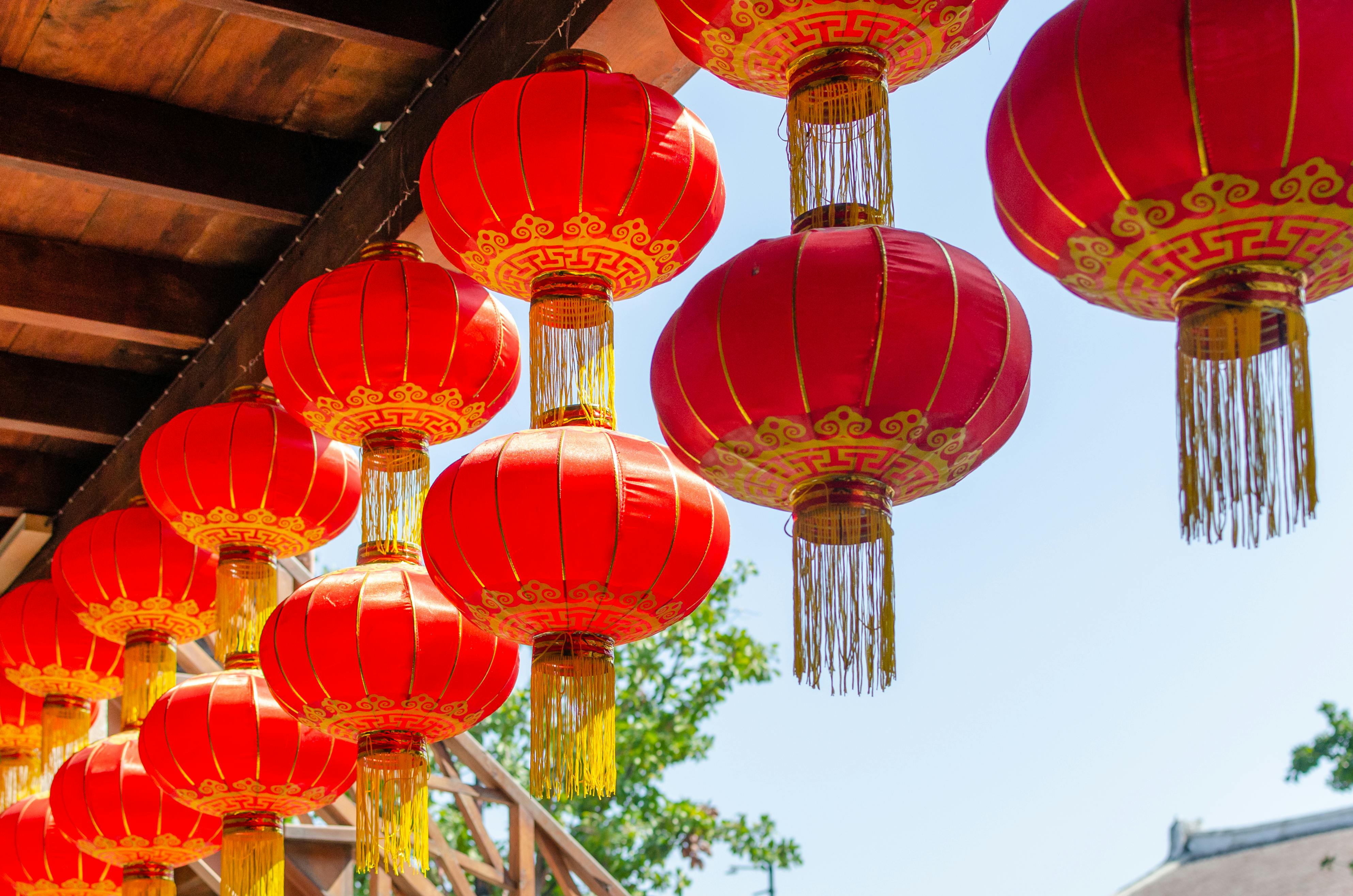
Before the Spring Festival, Chinese families and universities will decorate their homes and campuses with red elements: Spring Festival couplets (two red scrolls with poetic lines written on them, pasted on both sides of the door), "Fu" characters (the Chinese word for "blessing", usually pasted upside down, because the word "dao" (upside down) sounds like "dao" (arrive), meaning "blessings arrive"), lanterns (red lanterns hang everywhere, making the whole place full of festival atmosphere) and horse-themed decorations (in 2026, you will see many horse statues, paintings and stickers).
3. Spring Festival Holiday Arrangements for Chinese Universities
As a foreign teacher working in a Chinese university, you need to know the Spring Festival holiday arrangements, which usually last for 7-10 days (including weekends). In 2026, the holiday is expected to be from late January to early February (specific dates will be announced by your university in advance).
During the holiday: - Most university offices will be closed, but there will be on-duty staff to handle emergencies. - Campus canteens may be partially open (usually the main canteen) with adjusted business hours. - Some universities will organize Spring Festival activities for foreign teachers, such as dumpling-making parties, temple fairs, or trips to nearby scenic spots—pay attention to the notices from your university’s international office.
If you plan to travel during the holiday, it is recommended to book tickets and hotels in advance, because "Chunyun" will make transportation very busy. You can also choose to stay on campus and experience the quiet and beautiful festival atmosphere of the university.
4. How Can Foreign Teachers Integrate into Spring Festival?
The Spring Festival is a great chance to get close to Chinese culture and make friends with your colleagues and students. Here are some practical tips for you:
4.1 Join Local Activities
Many cities hold temple fairs during the Spring Festival, where you can taste local snacks, watch traditional performances (such as lion dances, dragon dances, Peking Opera), buy handicrafts and experience various folk activities. Your colleagues or students will be happy to take you there—just ask!
4.2 Learn to Make Traditional Food
Dumplings and glutinous rice cakes are the iconic foods of the Spring Festival. You can ask your Chinese colleagues to teach you how to make them. It is not only fun but also a good way to communicate and make friends. Some universities will hold dumpling-making parties for foreign teachers, so don’t miss them.
4.3 Send Spring Festival Greetings
Learning a few simple Chinese New Year greetings will make your colleagues and students feel warm. You can send greetings to them in person, by WeChat, or by email. For example: "Xin Nian Kuai Le! Wish you a happy Year of the Horse!"
4.4 Share Your Culture
The Spring Festival is also a time for cultural exchange. You can share the festival customs of your country with your Chinese colleagues and students, bring snacks from your country to the dinner, or even hold a small party to introduce your culture. It will help you build closer relationships with them.
5. Final Words
The Spring Festival is the most important festival in China, full of warmth, joy and cultural connotations. As a foreign teacher in China, experiencing the Spring Festival will not only enrich your life but also help you better understand Chinese culture and the people around you.
We hope this article can help you know more about the Spring Festival. If you have any questions about the festival, or if you want to know more about working and living in Chinese universities, you can browse the job listings on our platform, or contact our customer service for help. Wish you a happy Spring Festival and a wonderful Year of the Horse in China!