Shopping in China: The Ultimate Guide for Foreign Teachers
Moving to China as a foreign teacher means adapting to a new way of life, and shopping is one of the most essential parts of your daily routine. Whether you’re new to the country and feeling confused about where to start, or you want to refine your shopping habits to save time and money, this ultimate guide covers everything you need to know—from popular online platforms and in-person shopping spots to payment methods, cultural tips, and common pitfalls to avoid. Shopping in China is a unique blend of modern convenience and traditional charm, and with this guide, you’ll be able to navigate it with confidence in no time.
1. Online Shopping: The Convenient Lifesaver for Foreign Teachers
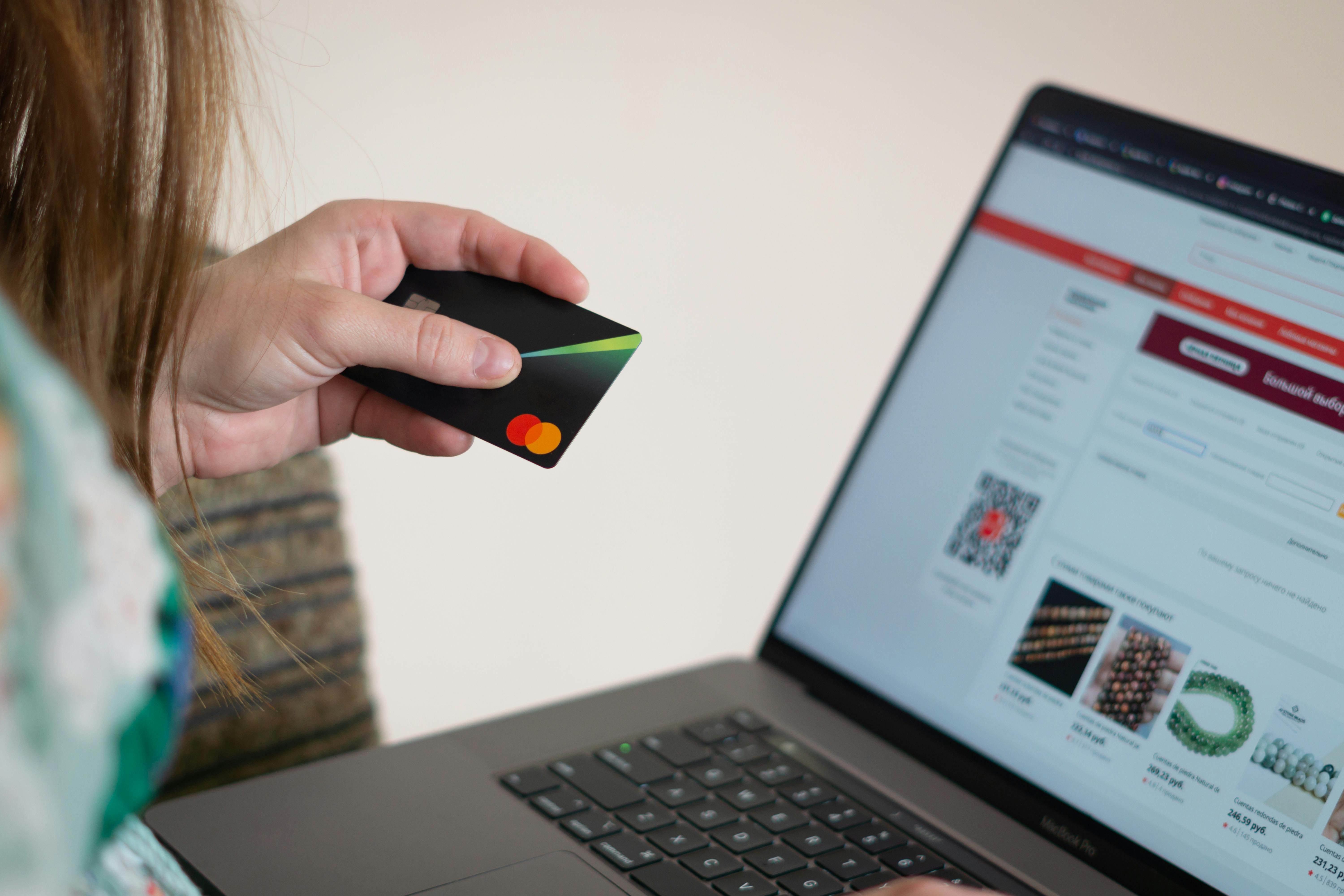
Online shopping is the most popular way to shop in China—especially for busy foreign teachers or those living in smaller cities. China’s e-commerce market is one of the largest in the world, offering almost everything you could need, from daily groceries and clothing to electronics and imported goods. Here are the key platforms you should know about, along with tips for signing up and shopping smoothly:
Key Online Platforms: Taobao is the “one-stop shop” for almost anything—millions of sellers offer affordable products, unique items, and even international brands. JD.com is ideal for fast delivery (often 1-2 days in major cities) and high-quality electronics, making it perfect if you need something quickly. For budget-friendly deals, Pinduoduo lets you save money by buying in groups (just check reviews, as quality can vary). If you’re looking for authentic imported products (skincare, food, baby items), Tmall Global is your go-to, with clear English descriptions and reliable shipping.
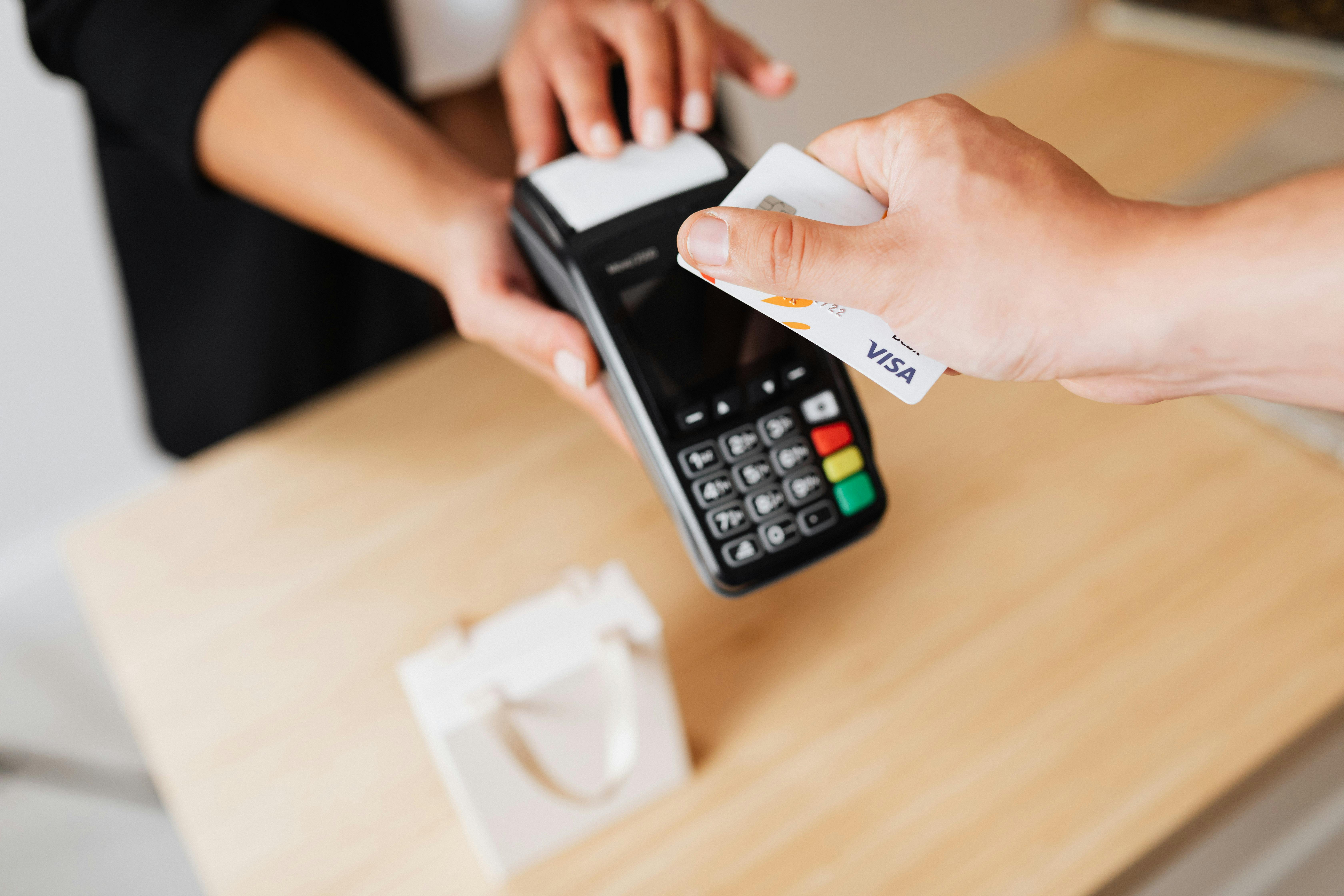
Sign-Up & Payment: Registering for these platforms is easy—you can use your passport number, and most have English versions (or use Google Translate for the Chinese interface). Payment is simple too: link your foreign credit card, or use Alipay or WeChat Pay, China’s most common mobile payment methods. Most schools will help you set up these mobile payment apps when you arrive; if not, ask a colleague—it only takes a few minutes.
Delivery Tips: Most orders are delivered to your door (dorm, apartment, or school) within 1-3 days, with free shipping often available for orders over a certain amount. You can track your package in real time via the app, and if you’re not home, couriers will leave it at your building’s front desk or a nearby parcel locker (access with a code sent to your phone).
2. In-Person Shopping: Explore Local Culture While You Shop
If you prefer browsing in person, China has plenty of options that let you experience local culture while checking off your shopping list. From supermarkets to traditional markets and modern malls, there’s something for every style and need:
Groceries & Daily Necessities: Large supermarkets like Carrefour, Walmart, and RT-Mart are widely available in cities, offering a mix of local and international products (imported snacks, dairy, cosmetics). For fresh produce, local wet markets are a must—you’ll find fresh fruits, vegetables, meat, and seafood at lower prices than supermarkets, and it’s a great way to interact with locals. Remember to bring a reusable bag (plastic bags are often charged) and don’t hesitate to ask for help with prices—most vendors are friendly and will try to communicate, even if you don’t speak Chinese.
Malls & Pedestrian Streets: Major cities like Beijing, Shanghai, and Guangzhou have high-end malls with international brands (ZARA, H&M, Starbucks) and unique local brands. Pedestrian streets (e.g., Wangfujing in Beijing, Nanjing Road in Shanghai) are perfect for weekends—browse shops, try local snacks, and pick up souvenirs. These spots are great for soaking up local culture while shopping.
Cultural Note: Bargaining: Bargaining is common in local markets and small stores, but not in supermarkets, malls, or online platforms. If you’re shopping at a wet market or street stall, smile and politely ask for a lower price—you may get a discount! Regular customers often receive small gifts (e.g., an extra piece of fruit) or discounts, so don’t be shy to build relationships with local vendors.
3. Essential Shopping Tips: Save Time, Money, and Avoid Mistakes
To make your shopping experience in China as smooth as possible, keep these essential tips in mind—they’ll help you save time, avoid costly mistakes, and shop with confidence:
Master Mobile Payment First: Alipay and WeChat Pay are accepted almost everywhere (stores, restaurants, street vendors). They’re fast, secure, and save you from carrying cash or exchanging money. You’ll need a Chinese phone number (your school can help with this) to set them up, and you can link your foreign credit card or Chinese bank account.
Check Reviews Before Buying Online: Product quality can vary on e-commerce platforms, so always read seller reviews and ratings before purchasing. Look for reviews with photos (more reliable) and pay attention to the return rate—high return rates may mean the product isn’t as described.
Be Cautious with Clothing Sizes: Chinese sizes are generally smaller than Western sizes (e.g., a Chinese “Large” may be a Western “Medium”). Always check the size chart (with measurements like chest and waist) and compare it to your own. If unsure, message the seller for advice—most are responsive.
Shop Around for the Best Prices: China’s shopping market is competitive, so compare prices across platforms or stores before making big purchases. Electronics may be cheaper on JD.com, while groceries are often more affordable at local markets. Look out for major sales events like Double 11 (November 11th) and Double 12 (December 12th) for huge discounts.
Know Customs Rules for Souvenirs: If you’re buying gifts to take home, be aware of China’s customs rules—fresh fruits, vegetables, and some traditional medicines may not be allowed out of the country. Avoid counterfeit products (illegal and risky at the airport); stick to authentic items from reputable sellers.
Don’t Be Afraid to Ask for Help: If you’re confused about where to shop, how to pay, or what to buy, ask your colleagues, students, or local vendors. Most Chinese people are happy to help foreign visitors, even with limited English. Use translation apps like Google Translate or Baidu Translate to communicate if needed.
Shopping in China is more than just buying what you need—it’s an opportunity to experience local culture and make your life more convenient. With this guide, you’ll have all the tools to navigate China’s shopping scene easily, save time and money, and focus on what matters most: your teaching and exploring this amazing country. Happy shopping!
Recommended
Shopping in China: The Ultimate Guide for Foreign Teachers
Step-by-Step Guide to Opening a Chinese Bank Card and Mobile Payment for Foreign Teachers in China

Tools & Tips for Foreign Teachers Teaching in China